


 Summary: For their research project, they are collaborating with Utah Japantown Advocates
to collect oral histories about Salt Lake City’s Japantown. In this instance, oral
histories contribute to the archive of Japanese American history in the American West
as well as support the organizing efforts of contemporary activists to resist displacement
from Japantown Street. What Jack finds particularly meaningful about this project
is that it facilitates intergenerational conversations while highlighting the diversity
of perspectives on Japantown’s past, present, and future. This enables a new generation
of activists to learn from and honor the experiences of their elders.
Summary: For their research project, they are collaborating with Utah Japantown Advocates
to collect oral histories about Salt Lake City’s Japantown. In this instance, oral
histories contribute to the archive of Japanese American history in the American West
as well as support the organizing efforts of contemporary activists to resist displacement
from Japantown Street. What Jack finds particularly meaningful about this project
is that it facilitates intergenerational conversations while highlighting the diversity
of perspectives on Japantown’s past, present, and future. This enables a new generation
of activists to learn from and honor the experiences of their elders.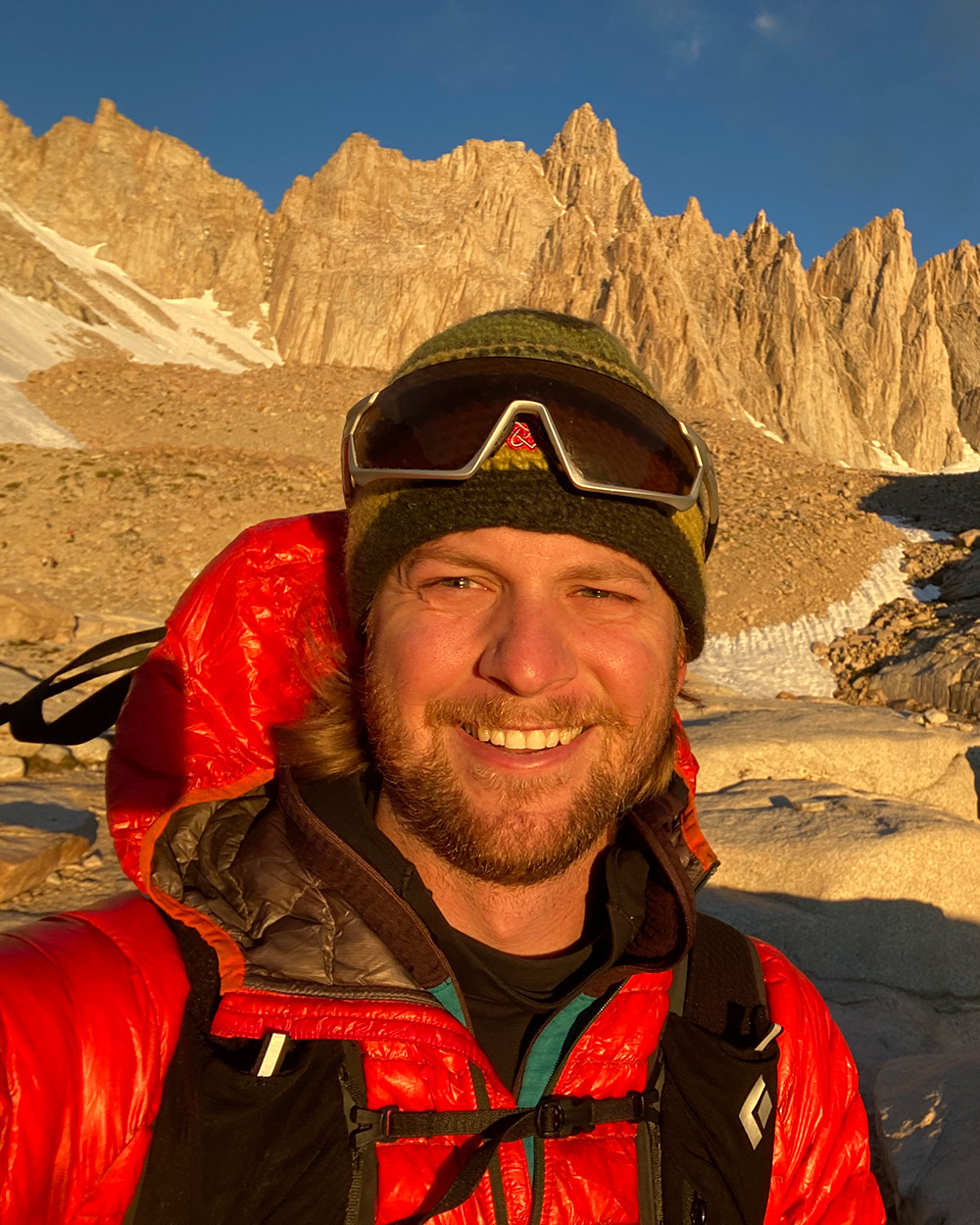 John Flynn is a PhD candidate in History at the University of Utah. His dissertation
focuses on conflict over land use in the Great Basin during the Cold War. In the latter
half of the twentieth century, the Great Basin became a contentious area as local
resistance arose against the federal government's use of public lands for "wastelanding"
projects. John’s research explores the environmental histories of wastelanding, anti-federal
resistance, and sovereignty through case studies of land use conflicts in the American
West during this period. With the generous support of the Floyd O’Neill Fellowship,
John will fund a research trip to the National Archives in Washington, DC, where he
will conduct archival research for his dissertation.
John Flynn is a PhD candidate in History at the University of Utah. His dissertation
focuses on conflict over land use in the Great Basin during the Cold War. In the latter
half of the twentieth century, the Great Basin became a contentious area as local
resistance arose against the federal government's use of public lands for "wastelanding"
projects. John’s research explores the environmental histories of wastelanding, anti-federal
resistance, and sovereignty through case studies of land use conflicts in the American
West during this period. With the generous support of the Floyd O’Neill Fellowship,
John will fund a research trip to the National Archives in Washington, DC, where he
will conduct archival research for his dissertation.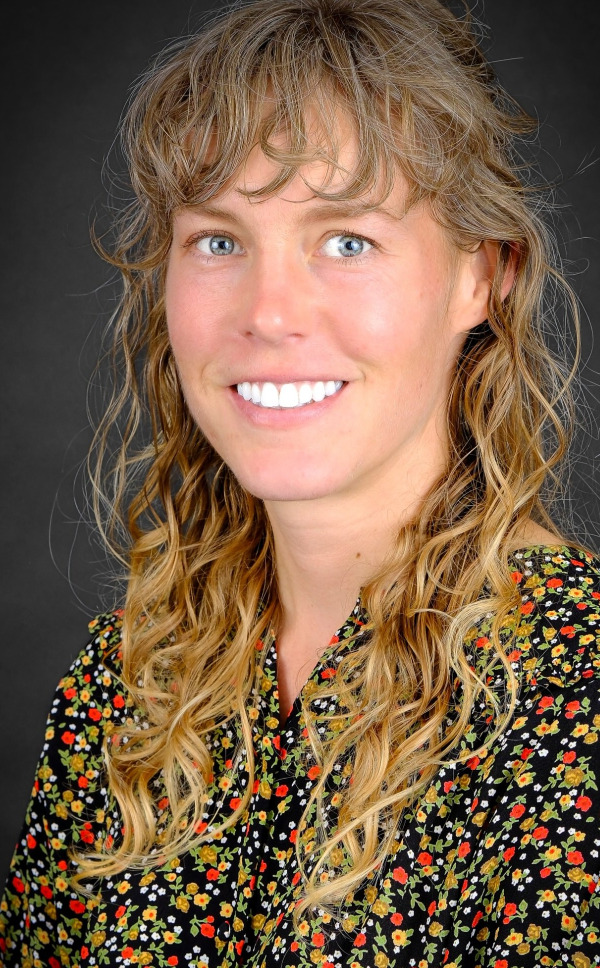 Sarah Dyer is a PhD candidate in Sociology at the University of Utah. Her dissertation
focuses on the impact contemporary water rights in the Colorado River Basin have on
Native nations within the region. Her research focuses on the ways in which the social
and ecological conditions associated with how water rights and water infrastructure
are currently structured in the basin affect the social, cultural, health, and environmental
conditions for these nations, in addition to examining how these nations and peoples
are responding to the current structure of water rights and attendant issues and concerns.
She is especially interested in examining whether nations with unresolved water rights
face different social and environmental outcomes than those with resolved water rights.
Her dissertation utilizes both historical analysis and formal interviews to explore
these questions.
Sarah Dyer is a PhD candidate in Sociology at the University of Utah. Her dissertation
focuses on the impact contemporary water rights in the Colorado River Basin have on
Native nations within the region. Her research focuses on the ways in which the social
and ecological conditions associated with how water rights and water infrastructure
are currently structured in the basin affect the social, cultural, health, and environmental
conditions for these nations, in addition to examining how these nations and peoples
are responding to the current structure of water rights and attendant issues and concerns.
She is especially interested in examining whether nations with unresolved water rights
face different social and environmental outcomes than those with resolved water rights.
Her dissertation utilizes both historical analysis and formal interviews to explore
these questions.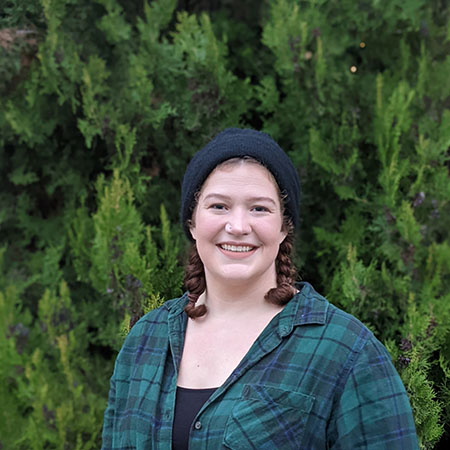 The American West Center awarded Margaret McGuirk (she/her) one of the two Floyd O’Neil Fellowships for 2023-24. Ms. McGuirk’s work examines community-based collaborative conservation as a solution
to socioeconomic changes in the rural West. Her Masters project in the Environmental
Humanities, "Building a Permeable Landscape," will build a case study of ongoing changes
and community collaboration in the remote community of the Centennial Valley, Montana.
Funds awarded by the American West Center, along with the generosity of the Taft-Nicholson
Center and Environmental Humanities Program, supported Margaret's summer-long immersion
in this microcosm of the changing Intermountain West. Using data collected from community
interviews, Margaret will combine ethnography and conflict resolution to explore how
diverse stakeholders in a high-value natural resource area can build a model of cooperation
that sustains culture, livelihood, and environment.
The American West Center awarded Margaret McGuirk (she/her) one of the two Floyd O’Neil Fellowships for 2023-24. Ms. McGuirk’s work examines community-based collaborative conservation as a solution
to socioeconomic changes in the rural West. Her Masters project in the Environmental
Humanities, "Building a Permeable Landscape," will build a case study of ongoing changes
and community collaboration in the remote community of the Centennial Valley, Montana.
Funds awarded by the American West Center, along with the generosity of the Taft-Nicholson
Center and Environmental Humanities Program, supported Margaret's summer-long immersion
in this microcosm of the changing Intermountain West. Using data collected from community
interviews, Margaret will combine ethnography and conflict resolution to explore how
diverse stakeholders in a high-value natural resource area can build a model of cooperation
that sustains culture, livelihood, and environment.
As a Floyd O’Neil Fellow, Ms. McGuirk can seek guidance and additional research support from the American West Center. In recognition of this support, she will present research findings at the American West Center during Spring ‘24. Environmental Humanities is grateful for the support of the American West Center and a proud beneficiary of Floyd O'Neil's legacy.